

SARAH POWER, HSE MANAGER
Sarah Power is our Health Safety and Environment Manager and brings with her a wealth of diverse background and knowledge. With over a decade of experience in the safety industry, Sarah has built her own safety consulting company and network from the ground up, guiding clients across sectors with HSE program development, training, gap analysis, audit preparation, and strategic safety leadership.
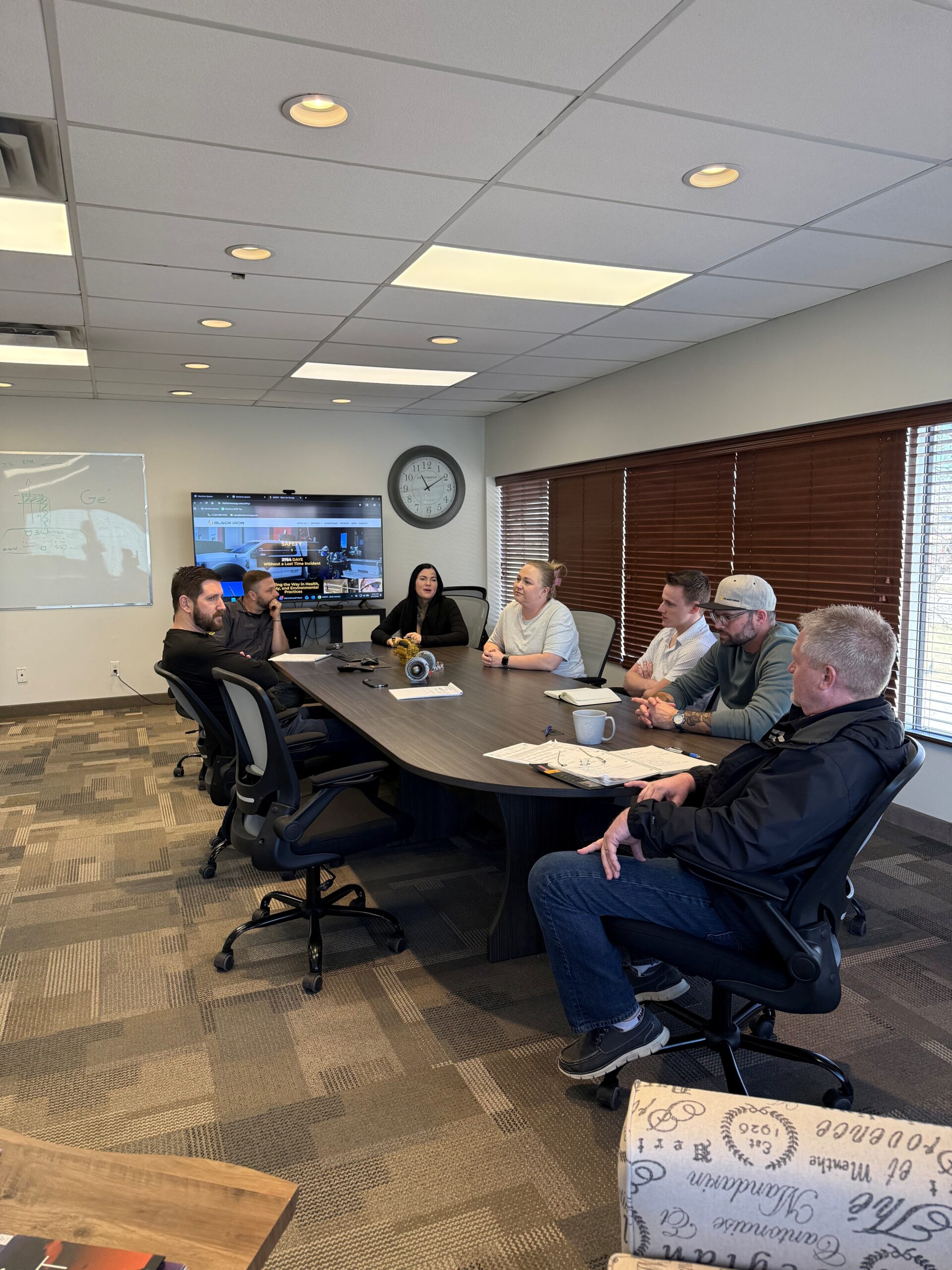
At Black Iron Energy, safety is not a checkbox—it’s a continuous, evolving process grounded in learning, collaboration, and accountability. Recently, I had the opportunity to facilitate a company-wide training session focused on Incident Causation and Cost Analysis, and the engagement across the organization reinforced an important point: when we bring diverse perspectives together, we uncover deeper insights and drive stronger outcomes.
This training wasn’t just about investigating incidents; it was about changing how we think about them and their potential impacts on our team, the public, our business, and our clients.
Looking Beyond the Surface
One of the key takeaways from our session was the importance of moving past the immediate or “direct” cause of an incident and digging deeper into contributing and root causes. Too often, organizations stop at what is obvious. But meaningful prevention lies in understanding the full picture.
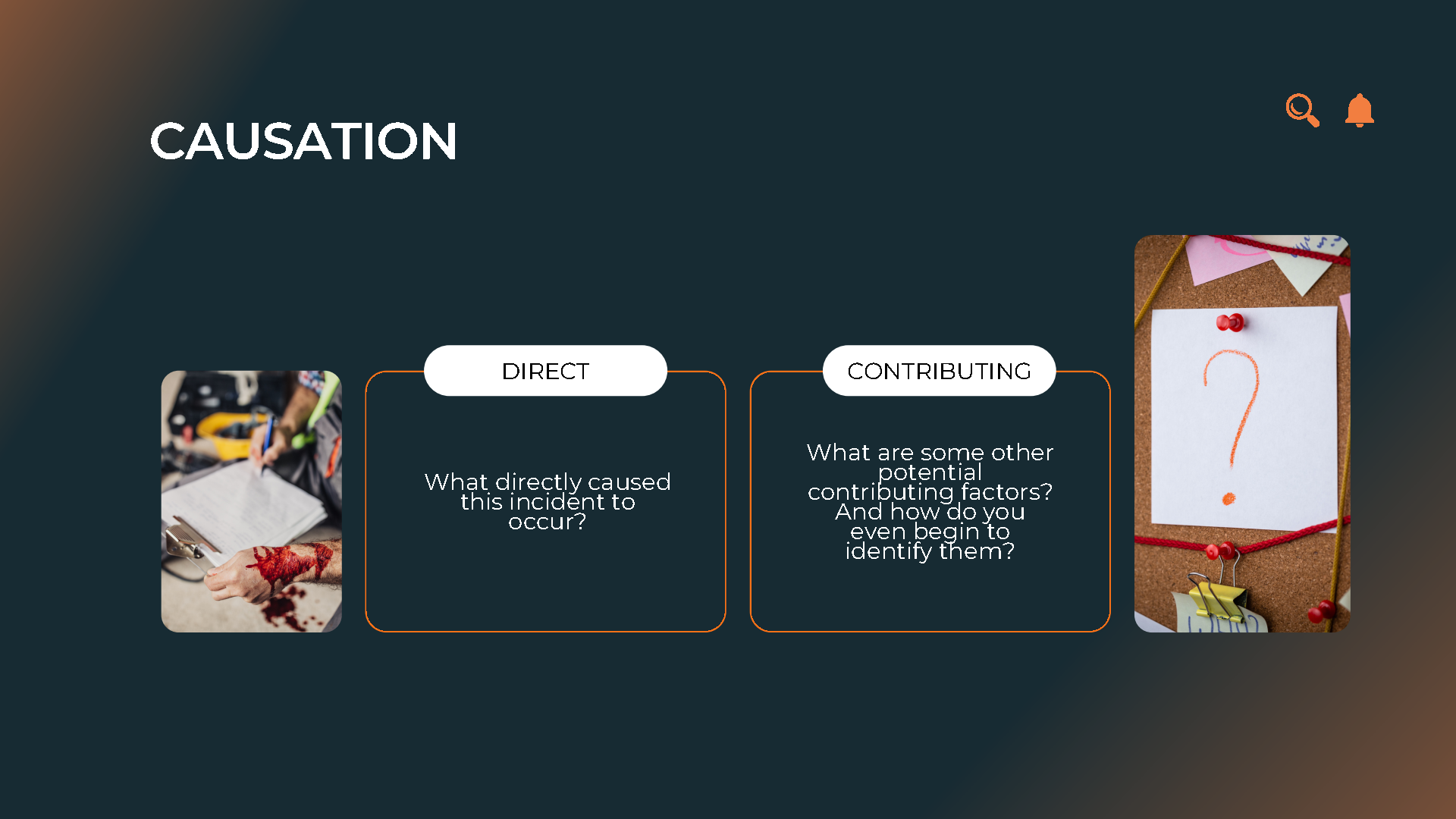
We explored structured investigation techniques that examine five critical areas:
- Task – Were safe procedures followed, and were conditions appropriate
- Materials/Equipment – Did failures, maintenance gaps, or design issues play a role?
- Environment – What conditions (weather, lighting, housekeeping) influenced the event
- Personnel – Were training, fatigue, or human factors involved
- Management Systems – Were expectations, supervision, and controls in place and effective?
By asking not just what happened, but repeatedly why it happened, we create opportunities for real, sustainable change.
The Power of Collective Insight
Another theme that stood out was the value of collaboration. When multiple people contribute to an investigation, we gain broader visibility into risks and controls. More eyes mean more opportunities to identify corrective and preventative actions.
Every individual brings experience that others may not have—and that diversity of thought is one of our greatest strengths. We split this training into two groups to ensure that the key discussions tabled during the exercises were both relevant to those present and valuable for subject-matter retention.
Understanding the True Cost of Incidents
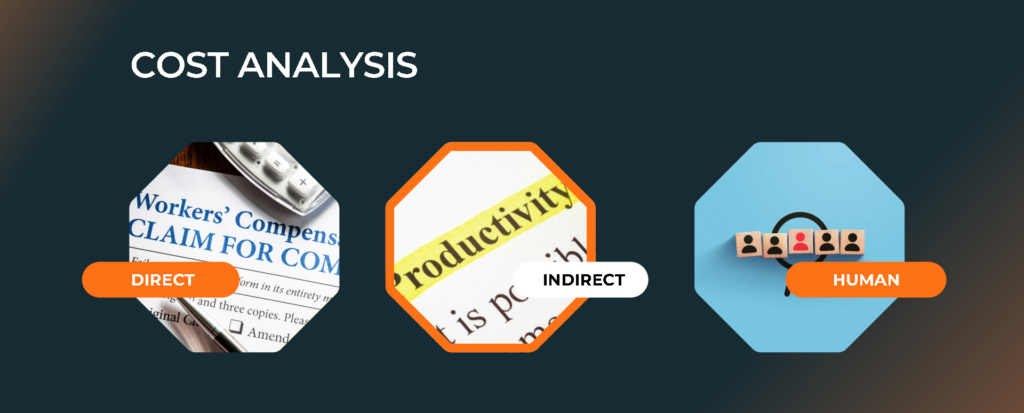
- Direct Costs – Medical care, repairs, claims, and immediate response
- Indirect Costs – Lost productivity, project delays, overtime, and administrative effort, legal and contractual
- Human and Organizational Costs – Impacts on morale, mental health, safety culture, and reputation
When we consider the full scope—lost time, reduced efficiency, regulatory implications, and even long-term business impacts—the true cost of an incident becomes much more significant. Understanding this helps justify investments in prevention, training, and continuous improvement.
The Negative Impact of a Flawed Calculation
When discussing the business impacts, we reviewed client compliance and prequalification capabilities, which led us to the industry-wide favorite scoring method for OHS performance, TRIF. The calculation of TRIF (Total Recordable Injury Frequency Rate) can be particularly misleading for smaller manpower organizations, as even a single recordable incident can disproportionately inflate their rate due to lower total hours worked. This creates a skewed perception of safety performance when compared to larger companies with significantly higher exposure hours. As a result, TRIF alone does not provide meaningful context about the severity, causes, or overall effectiveness of a company’s safety systems. When clients rely solely on this number without examining the details of incidents—such as root causes, corrective actions, and trends—they risk overlooking organizations with strong safety cultures and proactive risk management practices. True safety performance is better understood through a balanced review of both leading and lagging indicators, not a single metric taken at face value.
From Learning to Action
The training concluded with a practical component that encouraged teams to apply these concepts to real project scenarios. This is where the real value lies—taking theory and turning it into action.
By consistently applying structured investigation methods and thoroughly evaluating cost impacts, we position ourselves to reduce repeat incidents, improve operational efficiency, strengthen our safety culture, and make informed, proactive decisions.
Moving Forward
What impressed me most throughout this training was the level of engagement and the willingness to challenge assumptions. That mindset is exactly what drives progress.
At Black Iron Energy, our goal isn’t just to respond to incidents—it’s to learn from, understand, and ultimately prevent them. When we combine rigorous investigation practices with a clear understanding of cost and impact, we elevate safety from a requirement to a strategic advantage.
Let’s continue asking better questions, digging deeper, and working together to build safer, more resilient operations.