
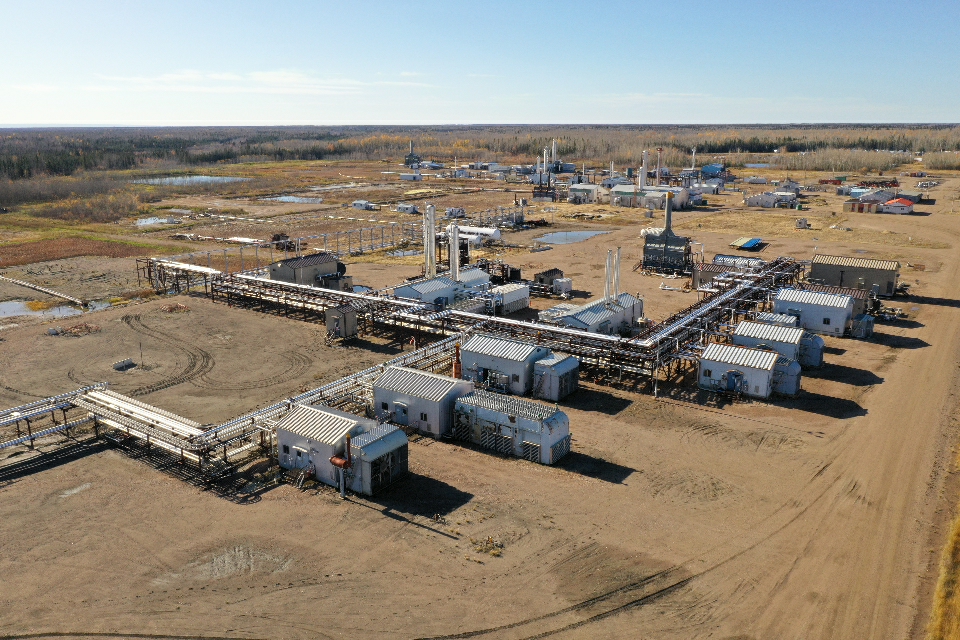
When people talk about discovery in the oil and gas sector, it often sounds straightforward: review the records, understand the assets, make a plan.
In reality, it’s rarely that clean.
Sometimes, it looks like four weeks in a camper van, a side-by-side and nearly 300 sites scattered across dense northern Alberta bush.
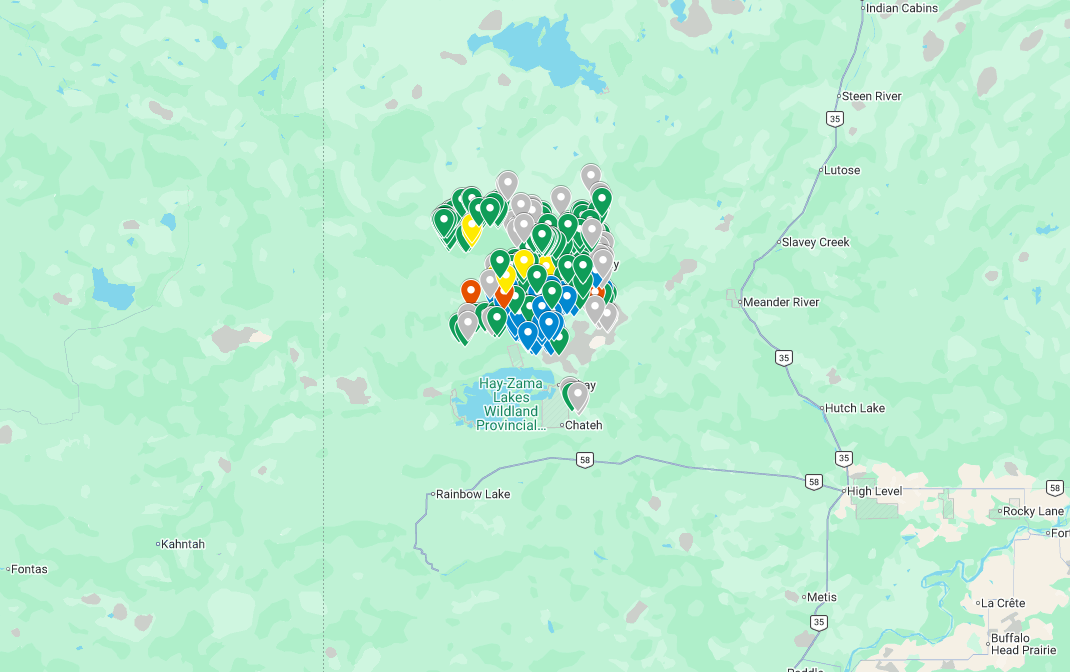
That was the reality behind Black Iron Energy’s first major project in Zama City, Alberta’s northernmost community, just shy of the Northwest Territories.
It’s the project that put us on the map.
“Spending four weeks living in an RV in Zama City was one of my first true discovery missions with Black Iron Energy. It was also one of the most memorable.”
Justin Gomez, S.V.P. Operations - The Americas, Black Iron Energy
When You Don’t Know What You Own
Discovery typically begins when there’s a gap between what’s on paper and what exists in the field.
Through acquisitions and portfolio changes, companies can inherit large inventories of sites and equipment. But over time, records can become outdated or incomplete. Equipment gets moved, repurposed, or left behind. And eventually, uncertainty builds.
In the case of Zama City, the client acquired a number of assets and needed a full inventory of what was included and where it was located. Before anything could be sold, redeployed, or decommissioned, that uncertainty had to be resolved.
So, we went to the field.
Boots on the Ground in Zama
“It is a hard, remote and unforgiving landscape, but one that still holds tremendous opportunity.”
Justin
This wasn’t a desktop exercise. It was site-by-site validation, turning assumptions into facts.
By the end of those four weeks, the client had clarity; a verified inventory of assets, a clear understanding of what existed and what didn’t, and the confidence to move forward.
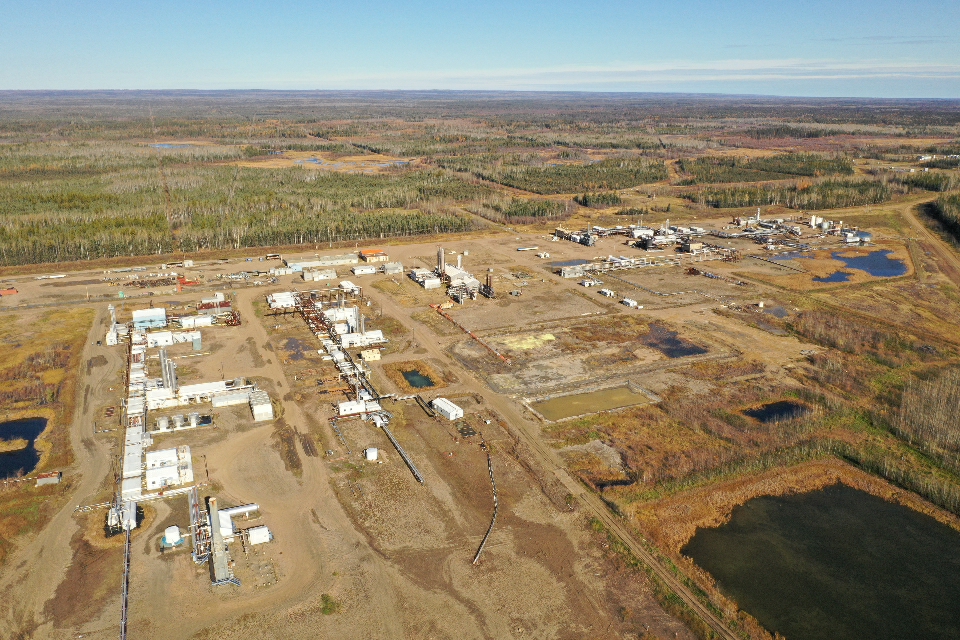
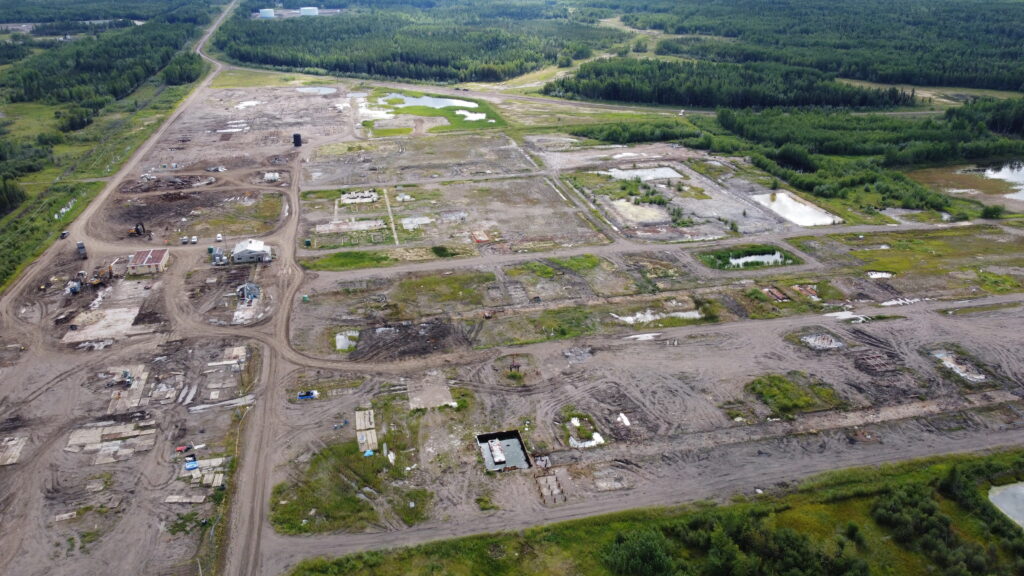
From there, Black Iron Energy was able to assist in establishing fair market value for equipment in the region, and evaluating the potential decommissioning of equipment across multiple plants, the storage yard, and the bone yard.
“Those four weeks in Zama showed me just how much history, infrastructure and opportunity still exists in one of Alberta’s most rugged oil and gas regions.”
Justin
Why Discovery Matters
At its core, discovery is about reducing uncertainty and unlocking value.
It provides operators with a clear, defensible understanding of their assets: what’s there, what condition it’s in, and what can be done with it. That insight supports better decisions, whether the goal is continued operations, redeployment, or decommissioning.
In regions like northern Alberta, timing adds another layer. During spring breakup, the ground is too soft to travel. In winter, frozen conditions can improve access but come with their own challenges. As the ground dries out, activity ramps up, and so does the need for accurate, field-verified information.
Across the Zama and Rainbow Lake region, many sites still hold oil and gas equipment, much of it being overtaken by wild bush, overgrown muskeg, roaming bison and beaver dam flooding.
Built For What Comes Next
Projects like Zama City still carry weight for us. Not just because it was our first major project, but because it set the standard for how we work.
“That four-week discovery mission helped position Black Iron Energy as an emerging leader in decommissioning, surplus equipment and asset relocation.”
Justin
As another season of fieldwork begins, we’re preparing to ramp up once again, supporting clients who need clarity before they can take action.
At Black Iron Energy, discovery is just the beginning.
We go into complex, uncertain environments, figure out what’s really there, and carry that work through – helping clients sell, redeploy, or decommission assets with clarity and confidence.
“Zama was not just a project. It was a firsthand look at the past, present and future of oil and gas asset recovery in Western Canada.”
Justin